English
High-visibility protective clothing plays a critical role in keeping workers visible and safe — especially in environments with moving vehicles, heavy machinery, or low lighting. But what exactly makes hi-vis workwear effective in hazardous conditions? The AS/NZS 1906.4 standard defines the performance requirements for the materials used in high-visibility garments, ensuring they deliver reliable visibility and reflectivity whether in broad daylight or challenging lighting conditions.
AS/NZS 1906.4 is an Australian/New Zealand safety standard that specifies the optical and physical performance criteria for materials used in high-visibility warning clothing. Rather than covering the garment design itself, this standard focuses on the fabric and reflective tape materials — how they behave under different light and environmental conditions.
Under AS/NZS 1906.4, hi-vis materials are tested for:
Fluorescent visibility for daytime recognition
Retroreflective performance for low-light and nighttime conditions
Durability against washing, UV exposure, and regular wear
These properties ensure that garments maintain brightness, reflectivity, and consistency — making workers easier to see on site.
AS/NZS 1906.4 defines different material classifications based on visibility performance:
Class F – Fluorescent materials:
High-visibility fluorescent fabrics help workers stand out in daylight and bright conditions.
Class R – Retroreflective materials:
Reflective tape and panels return light back toward a source — perfect for night or low-light environments.
Class RF – Combined fluorescent + retroreflective:
Materials that provide visibility both day and night, ideal for workers transitioning between light conditions.
These material classes help employers select hi-vis workwear that performs reliably across work environments and various lighting scenarios.
In industries such as construction, utilities, transportation, and logistics, being visible can literally save lives. Certified hi-vis protective workwear:
Enhances worker safety around moving vehicles and equipment
Improves recognition in complex or cluttered environments
Helps businesses comply with regional safety requirements
Certified materials meeting AS/NZS 1906.4 deliver consistent brightness and reflectivity, giving workers the confidence that their gear performs when it matters most.
High-visibility fabrics and materials are often integrated into multi-hazard protective garments such as:
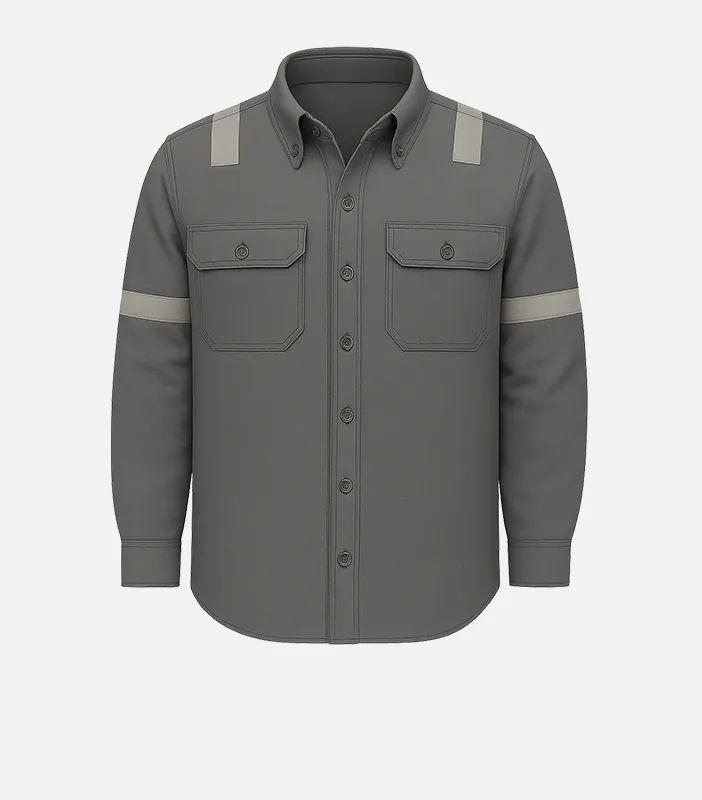
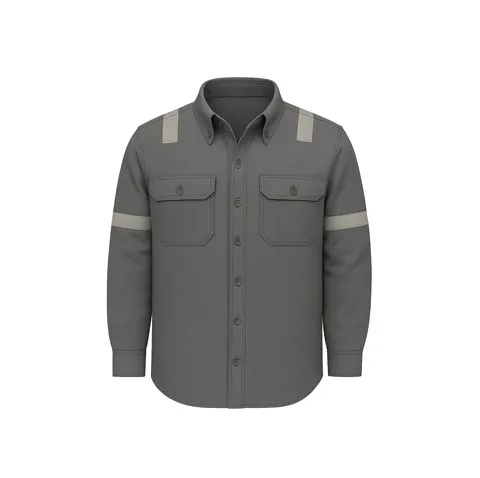
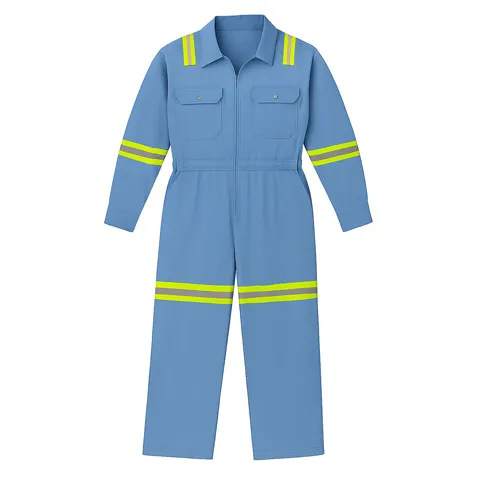
Hi-vis flame resistant shirts and coveralls
Multi-hazard workwear with anti-static or arc-rated features
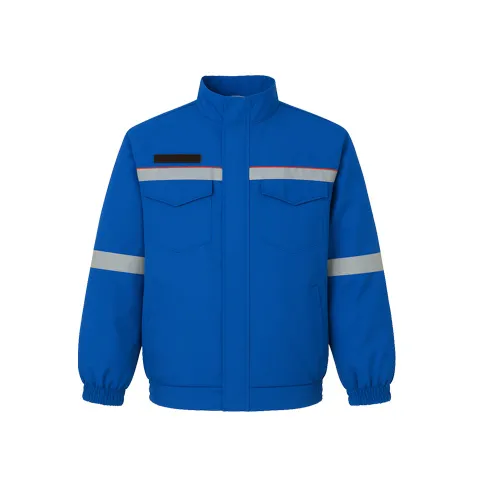
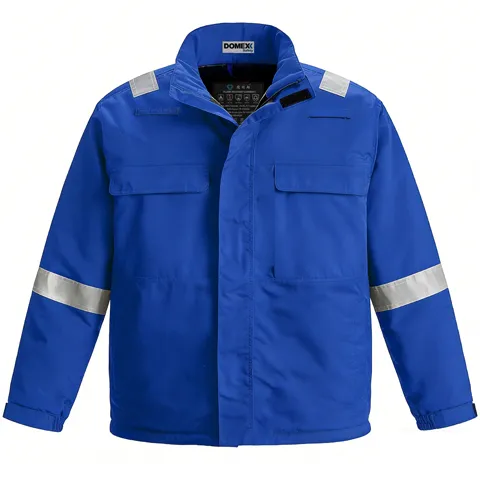
High-visibility jackets for outdoor work teams
By combining hi-vis materials meeting AS/NZS 1906.4 with other protective features like flame resistance or arc flash protection, safety managers can build PPE programs that protect workers from both visibility risks and industry-specific hazards — enhancing both safety and compliance.
Understanding AS/NZS 1906.4 helps companies choose high-visibility warning clothing that truly performs across work conditions — day or night, light or low light. Certified materials ensure workers stay visible and protected, reinforcing both workplace safety and operational confidence.